SIBO: The Hidden Cause of Chronic Bloating
Bloating is one of those symptoms that is easy to dismiss. You may notice your stomach feels unusually full after meals, your clothes feel tighter by evening, or your abdomen becomes uncomfortable after eating. Sometimes it improves on its own. But when bloating keeps coming back for weeks or months, it may be a sign that something more than your diet is going on.
One possible cause is Small Intestinal Bacterial Overgrowth (SIBO).
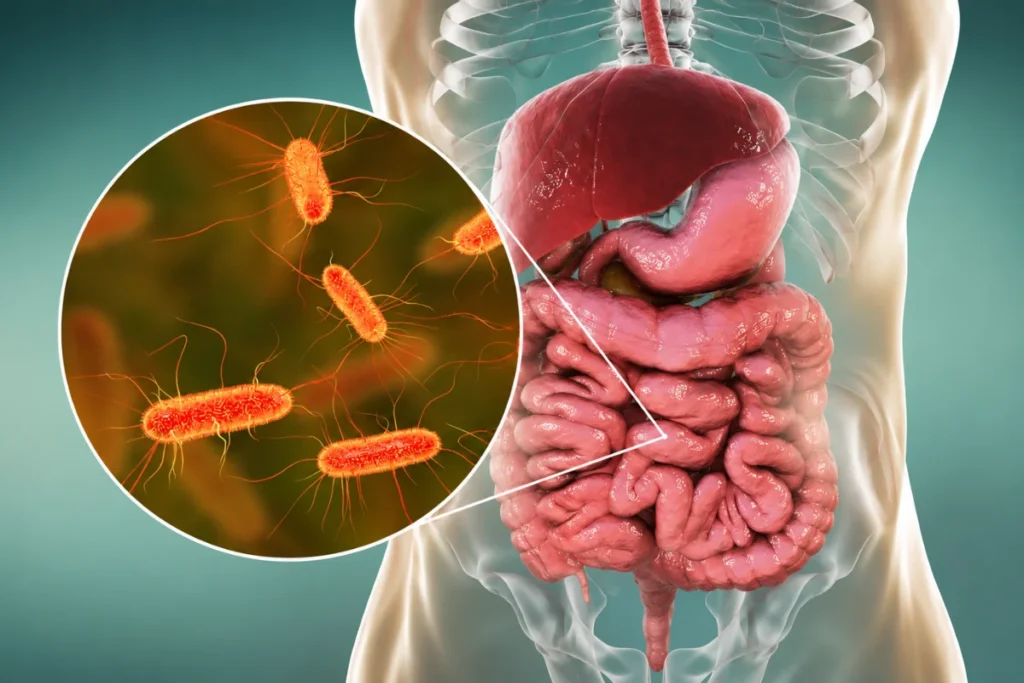
SIBO occurs when there is an excessive number of bacteria, or an abnormal type of bacteria, in the small intestine. Because the small intestine normally contains far fewer bacteria than the colon, this imbalance can interfere with digestion and cause symptoms such as bloating, abdominal discomfort, gas and changes in bowel habits.
For people living in Dubai, where busy schedules, frequent restaurant meals, food delivery and irregular eating patterns can be part of everyday life, persistent bloating can easily be overlooked. Understanding when bloating needs medical attention can help you get the right diagnosis rather than simply changing your diet repeatedly.
What Is SIBO?
Small Intestinal Bacterial Overgrowth happens when bacteria become overly abundant in the small intestine.
Normally, most of the bacteria in your digestive system live in the large intestine, or colon. The small intestine is primarily responsible for digesting food and absorbing nutrients. When excessive bacteria are present there, they can ferment carbohydrates and produce additional gas.
This can lead to the familiar feeling of abdominal pressure and bloating.
SIBO is not simply a case of having “too much bad bacteria.” It is a complex digestive condition that can have several underlying causes, and treatment usually involves identifying why the bacterial overgrowth developed in the first place.
What Does SIBO Bloating Feel Like?
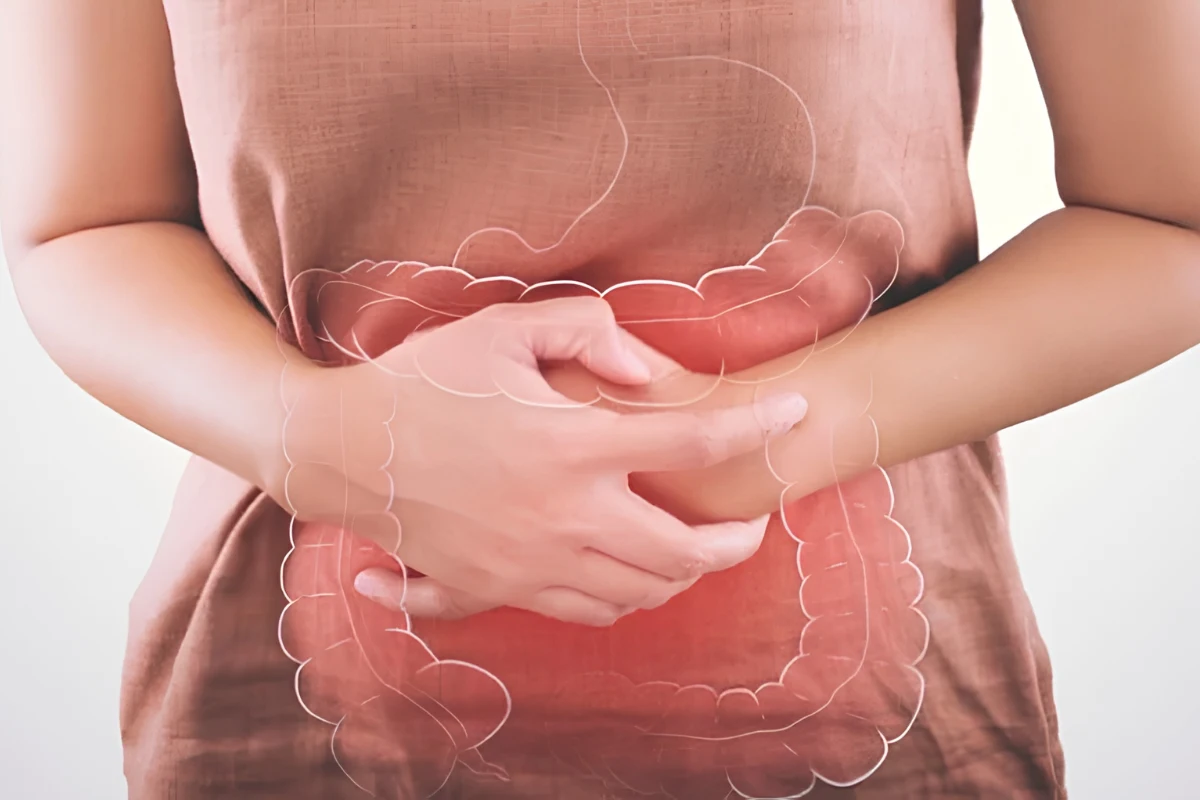
SIBO-related bloating can feel different from occasional bloating after a large meal.
Some people notice that their abdomen becomes increasingly distended throughout the day. Others experience bloating shortly after eating, excessive gas, abdominal discomfort or changes in bowel movements.
Common SIBO symptoms can include:
- Persistent abdominal bloating
- Excessive gas or belching
- Abdominal pain or discomfort
- Diarrhoea
- Constipation
- Alternating constipation and diarrhoea
- Feeling unusually full after eating
- Nausea in some cases
- Unintentional weight loss in more significant cases
- Nutritional deficiencies when SIBO affects nutrient absorption
Having these symptoms does not automatically mean you have SIBO. Irritable bowel syndrome (IBS), food intolerances, constipation, coeliac disease and several other digestive conditions can produce similar symptoms.
This is why proper evaluation matters.
Why Does SIBO Happen?
SIBO usually develops when something interferes with the normal movement of food and bacteria through the small intestine.
Several conditions and factors can contribute.
Slow Movement of the Digestive System
The digestive tract normally moves food and bacteria forward through coordinated muscle contractions. If this movement becomes slower, bacteria may remain in the small intestine for longer than they should.
Conditions that affect intestinal movement can therefore increase the risk of SIBO.
Previous Abdominal Surgery
Certain abdominal surgeries can change the structure or movement of the digestive tract. In some people, this may contribute to bacterial overgrowth.
Digestive Conditions
Conditions affecting the structure or function of the small intestine can increase the likelihood of SIBO. Your doctor may therefore look for an underlying digestive disorder rather than treating bacterial overgrowth in isolation.
Certain Medications
Some medications can influence digestive function and may be associated with an increased risk of SIBO in certain individuals. This does not mean you should stop any prescribed medication yourself. If you are concerned, discuss your medications with your doctor.
Is SIBO the Same as IBS?
No.
SIBO and IBS can cause very similar symptoms, particularly bloating, abdominal pain and changes in bowel habits. This overlap can make diagnosis difficult.
Some people with IBS may also have SIBO, while others may have IBS without bacterial overgrowth.
Because symptoms overlap, it is not advisable to assume that every case of chronic bloating is SIBO. A gastroenterologist can assess your symptoms, medical history and risk factors and decide whether further testing is appropriate.
How Is SIBO Diagnosed?
Your doctor will usually begin by asking about your symptoms, eating patterns, bowel habits, medical history and previous surgeries or digestive conditions.
One commonly used investigation is a hydrogen or methane breath test. During this test, you consume a specific carbohydrate solution, and your breath is measured at intervals to assess gases produced by bacteria in the digestive tract.
Breath testing can provide useful information, although interpretation needs to be done in the context of your symptoms and clinical history.
In some situations, your doctor may recommend additional tests to investigate other possible causes of bloating, diarrhoea, constipation or nutritional problems.
How Is SIBO Treated?
Treatment depends on the individual and, importantly, on the reason the bacterial overgrowth developed.
A doctor may recommend antibiotics to reduce excessive bacterial growth. The choice of treatment can depend on the type of gas detected, symptoms and other medical factors.
Diet may also play a role in managing symptoms. Some patients may temporarily benefit from reducing specific fermentable carbohydrates under professional guidance.
However, restrictive diets are not a long-term solution for everyone.
If an underlying problem is contributing to SIBO, addressing that problem is an important part of reducing the chance of recurrence.
Self-treating with antibiotics, herbal products or extremely restrictive diets is generally not a good approach. The right treatment should be based on an appropriate diagnosis.
Why Does Chronic Bloating Need Proper Evaluation?
Bloating is extremely common and is usually not caused by anything serious. But persistent or worsening symptoms deserve attention.
You should consider speaking with a gastroenterologist if bloating continues despite reasonable dietary changes, repeatedly interferes with your daily life, or occurs alongside symptoms such as unexplained weight loss, persistent vomiting, blood in the stool, severe abdominal pain, ongoing diarrhoea or significant changes in bowel habits.
These symptoms can have many causes, and they do not necessarily indicate cancer. However, they should not simply be attributed to “gas” without evaluation.
For Dubai residents, access to specialist gastroenterology care makes it possible to investigate persistent digestive symptoms rather than relying on repeated trial-and-error dietary changes.
Managing Bloating in Everyday Life

While the underlying cause should be investigated, some everyday habits may help reduce digestive discomfort.
Try eating meals at a comfortable pace rather than rushing. Pay attention to foods that consistently trigger symptoms, stay adequately hydrated and maintain regular physical activity.
Keeping a simple food and symptom diary can also be useful. Record what you eat, when bloating occurs, bowel movements and other symptoms. This information can help your doctor identify patterns.
Avoid making major long-term dietary restrictions without professional guidance, particularly if you are already losing weight or experiencing nutritional problems.
When Should You See a Gastroenterologist in Dubai?
Occasional bloating after a large meal is usually not a reason for concern. Chronic bloating is different.
If your abdomen regularly becomes distended, you experience frequent gas or abdominal discomfort, or your bowel habits have changed for an extended period, it is worth discussing your symptoms with a gastroenterologist.
A specialist can determine whether SIBO is a possibility and also consider other causes such as IBS, constipation, food intolerance, coeliac disease or other gastrointestinal conditions.
The goal is not simply to make the bloating disappear temporarily. It is to understand why it is happening and develop a treatment plan that addresses the underlying cause.
Frequently Asked Questions
1. What are the most common symptoms of SIBO?
The most common SIBO symptoms include persistent bloating, excessive gas, abdominal discomfort, diarrhoea, constipation, or alternating changes in bowel movements. Some people may also experience early fullness or nausea.
2. How do I know if my bloating is caused by SIBO?
You cannot reliably diagnose SIBO based on bloating alone because several digestive conditions cause similar symptoms. A gastroenterologist can assess your symptoms and may recommend a hydrogen or methane breath test when appropriate.
3. Is SIBO a serious condition?
SIBO is treatable, but persistent bacterial overgrowth can sometimes interfere with digestion and nutrient absorption. In more significant cases, nutritional deficiencies or weight loss may occur, making medical evaluation important.
4. Can SIBO come back after treatment?
Yes. SIBO can recur, particularly when an underlying problem affecting intestinal movement or digestion has not been addressed. Identifying and managing the underlying cause is therefore an important part of treatment.
5. What foods should I avoid if I have SIBO?
There is no single diet that works for everyone with SIBO. Some people may benefit from temporarily reducing fermentable carbohydrates under the guidance of a doctor or dietitian. Long-term restrictive diets should not be followed without professional advice.
6. When should I see a gastroenterologist for bloating in Dubai?
If bloating is persistent, keeps returning, affects your daily life, or occurs with unexplained weight loss, blood in the stool, persistent diarrhoea, vomiting or significant abdominal pain, you should consult a gastroenterologist. A specialist can determine whether SIBO or another digestive condition may be responsible.