Fatty Liver Disease: The Silent Epidemic Linked to Diet
Fatty liver disease is frequently discovered unexpectedly. A routine health check may show mildly abnormal liver enzymes, or an abdominal ultrasound performed for another reason may report “fatty changes in the liver.”
Because most patients feel well, it can be tempting to regard this as a minor finding.
However, fatty liver disease covers a broad spectrum. In some people, excess fat remains within the liver without causing significant damage. In others, it is associated with inflammation and progressive fibrosis, or scarring, which can eventually lead to advanced liver disease.
The important clinical question is therefore not simply whether fat is present in the liver, but whether there is evidence that the liver is being damaged.
Understanding that distinction is central to deciding who requires treatment, further assessment or ongoing monitoring.
What Is Fatty Liver Disease?
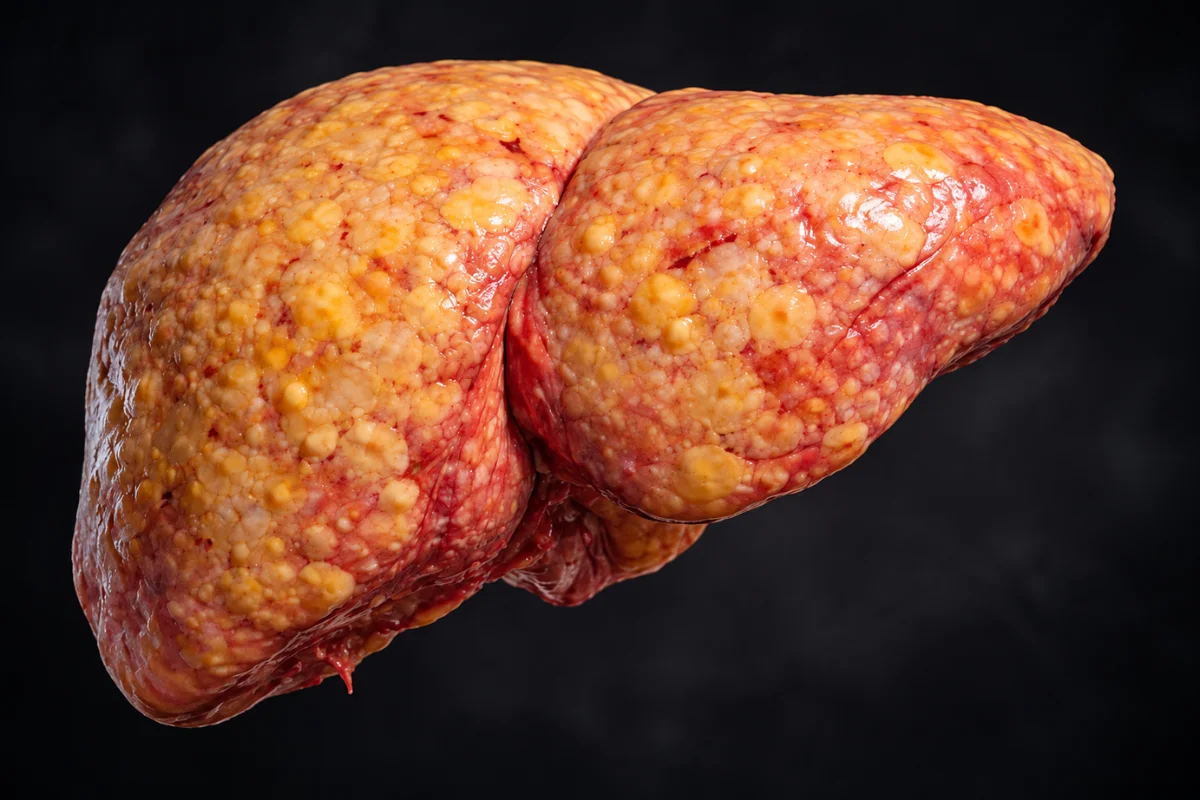
Fatty liver disease occurs when excess fat accumulates within liver cells.
The condition previously known as non-alcoholic fatty liver disease (NAFLD) is now generally referred to as metabolic dysfunction-associated steatotic liver disease (MASLD).
The newer terminology reflects an important change in our understanding of the condition. Fatty liver is closely linked to metabolic health and commonly occurs alongside insulin resistance, type 2 diabetes, increased abdominal weight, abnormal cholesterol and high blood pressure.
The condition can range from relatively uncomplicated fat accumulation to metabolic dysfunction-associated steatohepatitis (MASH), where inflammation and liver cell injury are present. Over time, some patients may develop fibrosis, cirrhosis and complications associated with advanced liver disease.
The older term NAFLD treatment remains widely used by patients searching for information, although MASLD is now the preferred medical terminology.
Why Does Fatty Liver Develop?
Despite its name, fatty liver is not simply the result of eating too much dietary fat.
The condition is strongly influenced by the way the body manages energy, glucose and fat.
When calorie intake regularly exceeds the body’s requirements, particularly in the presence of insulin resistance, excess energy can be stored as fat not only beneath the skin but also around internal organs and within the liver.
Diet can therefore play an important role. Regular intake of sugar-sweetened drinks, refined carbohydrates, highly processed foods, excessive calories and diets high in saturated fat may contribute to the development of fatty liver.
However, diet should not be considered in isolation.
Genetics, physical activity, body-fat distribution, sleep, diabetes, cholesterol abnormalities and other metabolic factors can all influence an individual’s risk.
This is why treating fatty liver involves more than advising patients simply to “avoid fatty foods.”
Fatty Liver Disease Symptoms: Why It Can Remain Silent
One of the reasons fatty liver disease is frequently overlooked is that many patients have no symptoms at all.
For people searching for fatty liver disease symptoms in Dubai, this is particularly important to understand. A person can have fatty liver and even clinically relevant fibrosis while continuing to feel well.
When symptoms are present, they are often non-specific. Some patients may experience persistent fatigue or a vague discomfort in the upper-right part of the abdomen.
However, these symptoms alone cannot establish either the diagnosis or severity of fatty liver disease.
Equally, normal or only mildly abnormal liver enzymes do not always exclude significant liver disease.
This is why the severity of fatty liver should not be judged according to how a patient feels.
Who Is at Greater Risk?
The likelihood of developing fatty liver, and particularly progressive liver disease, increases when certain metabolic conditions are present.
These include type 2 diabetes, prediabetes, obesity, increased waist circumference, high triglycerides, abnormal cholesterol and high blood pressure.
Obstructive sleep apnoea and a sedentary lifestyle may also be associated with increased metabolic risk.
Importantly, fatty liver is not restricted to people who are overweight.
Some individuals with a normal body mass index may still have increased visceral fat around the abdominal organs, insulin resistance or genetic factors that predispose them to liver fat accumulation.
For this reason, assessment should consider the patient’s overall metabolic and liver risk rather than body weight alone.
How Is Fatty Liver Disease Assessed?
Finding fatty liver on an ultrasound is the beginning of the assessment, rather than the end of it.
A proper evaluation usually considers the patient’s medical history, alcohol intake, medications, weight, diabetes risk, cholesterol, blood pressure and any other potential causes of liver disease.
Blood tests provide useful information about liver enzymes and liver function and may also identify metabolic conditions contributing to the problem.
An ultrasound can identify features consistent with liver fat, but it has an important limitation:
Ultrasound cannot reliably determine how much liver fibrosis is present.
This is important because fibrosis has a much stronger relationship with long-term liver outcomes than the simple presence of fat.
Why Assessing Liver Fibrosis Is Important
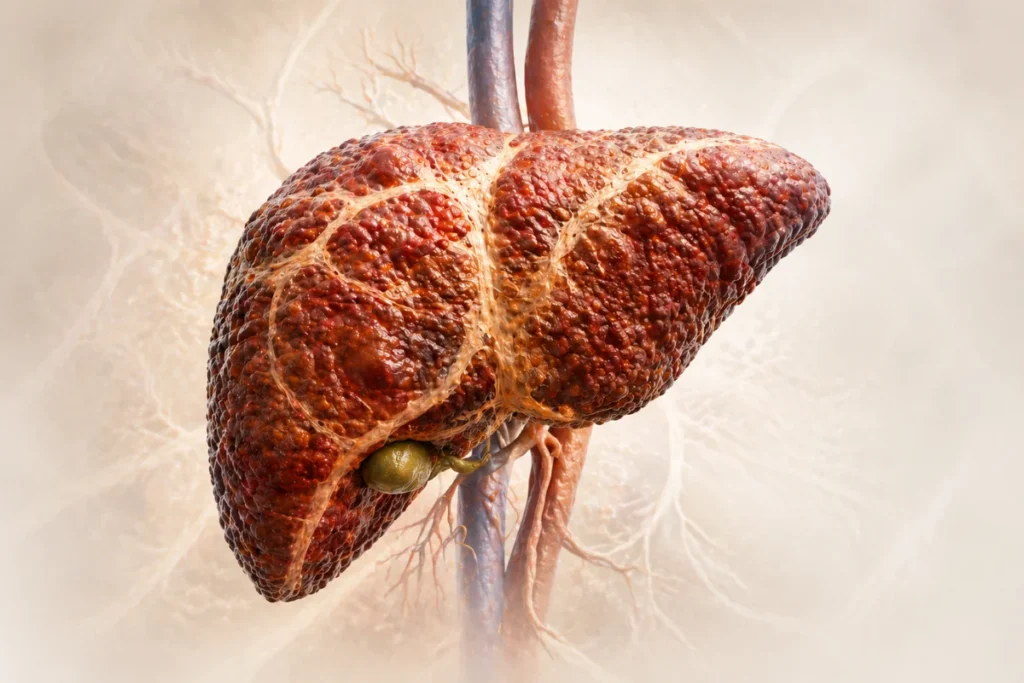
Two patients can receive almost identical ultrasound reports stating that they have fatty liver, yet have very different levels of liver risk.
One may have excess liver fat without significant fibrosis.
Another may already have established liver scarring.
Their management should not necessarily be the same.
Non-invasive assessment has therefore become an important part of evaluating fatty liver disease.
A commonly used initial calculation is the FIB-4 score, which uses age together with AST, ALT and platelet levels to estimate the likelihood of significant fibrosis.
Where the result suggests that fibrosis cannot confidently be excluded, further assessment with FibroScan or another form of liver elastography may be appropriate. These tests measure liver stiffness and can help identify patients who require closer specialist evaluation. Current liver guidance supports a staged approach using non-invasive fibrosis assessment rather than relying on liver enzymes or ultrasound alone.
A liver biopsy is not required for every patient and is usually reserved for selected circumstances where the diagnosis or stage of liver disease remains uncertain.
Can Fatty Liver Improve?
Yes. Particularly in its earlier stages, fatty liver can improve considerably when the factors driving it are addressed.
Weight reduction can be beneficial for patients who are overweight or have increased abdominal fat. Evidence suggests that losing approximately 5–10% of body weight can result in meaningful improvements in liver fat, inflammation and, in some patients, fibrosis.
However, the aim should not be rapid weight loss through restrictive diets.
Long-term improvement depends on changes that can be maintained.
That includes improving dietary quality, increasing physical activity and addressing diabetes, cholesterol, blood pressure and other metabolic factors where necessary.
What Does NAFLD Treatment Involve?
There is no single NAFLD treatment or MASLD treatment that is appropriate for every patient.
Management should be guided by the stage of the liver disease and the underlying metabolic risk.
Dietary Changes
A Mediterranean-style dietary pattern is commonly recommended. This generally emphasises vegetables, legumes, whole grains, fish, nuts, fibre-rich foods and unsaturated fats such as olive oil.
At the same time, reducing sugar-sweetened drinks, excessive refined carbohydrates, ultra-processed foods and excess saturated fat can help reduce metabolic stress on the liver.
This does not require eliminating every carbohydrate or avoiding all dietary fat.
The overall quality and quantity of the diet matters far more than focusing on one particular food.
Physical Activity and Weight Management
Both aerobic exercise and resistance training can help reduce liver fat and improve insulin sensitivity.
Exercise remains beneficial even when the change in body weight is modest.
For patients carrying excess weight, structured and sustainable weight management is an important component of treatment.
Managing Metabolic Risk
Fatty liver should not be viewed purely as a liver problem.
Many affected patients also have an increased risk of cardiovascular disease and type 2 diabetes.
Managing blood glucose, cholesterol, blood pressure and obesity therefore forms an important part of treatment and long-term risk reduction.
Medical Treatment
Treatment options for more advanced forms of MASLD have evolved considerably.
In selected patients with MASH and significant fibrosis, liver-directed or metabolic medications may now be considered alongside lifestyle and risk-factor management. Current AASLD guidance includes pharmacological options for appropriately selected patients rather than viewing lifestyle measures as the only available treatment.
Treatment decisions depend on fibrosis stage, associated medical conditions and the patient’s overall risk profile.
What Should You Do If an Ultrasound Shows Fatty Liver?
A fatty liver finding does not usually require panic, but neither should it automatically be ignored.
The next step is to establish what the finding means in your individual case.
Useful questions include:
- Are there metabolic risk factors contributing to the condition?
- Are the liver blood tests persistently abnormal?
- Has the risk of fibrosis been assessed?
- Is a FibroScan or other form of elastography appropriate?
- Could another liver condition be contributing?
It is also advisable to be cautious about supplements marketed as “liver detoxes” or “liver cleanses.”
The liver does not require detoxification products. Treatment should focus on identifying and addressing the factors responsible for liver fat and potential liver injury.
When Should You See a Gastroenterologist or Hepatologist?
Specialist assessment may be appropriate when fatty liver is repeatedly present on imaging, liver enzymes remain abnormal, there are multiple metabolic risk factors, or initial testing suggests an increased risk of fibrosis.
Patients with type 2 diabetes and fatty liver also deserve particular attention because their likelihood of progressive liver disease may be higher.
A specialist assessment can help establish whether the condition is relatively low risk or whether additional investigation, treatment and surveillance are required.
When Is Urgent Medical Assessment Needed?
Early fatty liver rarely causes severe symptoms.
Symptoms such as jaundice, significant abdominal swelling, leg swelling, vomiting blood, black stools or new confusion require prompt medical assessment.
These symptoms may indicate advanced liver disease or another serious condition and should not be attributed simply to fatty liver without further investigation.
Conclusion
Fatty liver disease is common and frequently silent, but its significance varies considerably from one patient to another.
The presence of fat on an ultrasound does not, by itself, determine the future of the liver. What matters is whether inflammation or fibrosis is developing and whether the metabolic factors contributing to the condition are being adequately addressed.
Early assessment provides an opportunity to identify higher-risk disease and intervene before significant liver damage develops.
Frequently Asked Questions About Fatty Liver Disease
Does fatty liver always lead to cirrhosis?
No. Many patients with fatty liver never develop advanced liver disease. The risk becomes more significant when persistent inflammation and progressive fibrosis are present.
Can fatty liver occur even if liver blood tests are normal?
Yes. Normal or mildly abnormal liver enzymes do not reliably exclude fatty liver or significant fibrosis. Results need to be interpreted alongside the patient’s metabolic risk and other investigations.
Can a person who is not overweight develop fatty liver?
Yes. Insulin resistance, visceral abdominal fat, diabetes, genetics and other metabolic factors can contribute even when body weight appears normal.
Is an ultrasound enough to assess fatty liver?
Ultrasound is useful for detecting liver fat but cannot reliably assess fibrosis. Depending on the patient’s risk, additional non-invasive fibrosis assessment may be recommended.
Can fatty liver improve with diet and exercise?
Yes. Appropriate dietary changes, regular physical activity, weight management and improved metabolic health can significantly reduce liver fat and may improve liver inflammation and fibrosis.