Why Colon Cancer Is Rising in People Under 50 in the UAE
For many years, colon cancer was viewed mainly as a disease affecting older adults. But that picture is changing. Across the Middle East, including the UAE, doctors are seeing colorectal cancer in younger adults more often than expected. Research on the region has linked this shift with changes in lifestyle, diet, obesity and physical activity.
This does not mean that every person under 50 is at high risk. In fact, the UAE’s 2023 cancer data shows that colorectal cancer remains much more common as age increases. However, cases are being seen in people in their 30s and 40s, making awareness of symptoms and individual risk increasingly important.
For people living and working in Dubai, where busy schedules, eating out, sedentary work and limited time for regular health checks can become part of everyday life, understanding the warning signs is especially important.
Is Colon Cancer Really Increasing in Younger People?
The global pattern is changing, with a rising burden of colorectal cancer reported among some adults aged 30–50. The UAE has also attracted attention because a significant proportion of colorectal cancer cases occur in younger patients. One analysis of UAE cancer data found that 15.4% of colorectal cancer cases occurred in people younger than 40, while another 20.1% occurred among those aged 40–49.
The UAE’s national cancer registry reported 588 new colorectal cancer cases in 2023. While incidence was substantially higher with increasing age, the data also showed that rates begin to rise from the 40s.
So, should someone in their 30s or 40s be worried? Not necessarily. But they should not automatically dismiss persistent digestive or bowel symptoms simply because they are young.
Why Could Colon Cancer Be Rising Under 50?
There is no single explanation. Colorectal cancer usually develops through a combination of genetic, environmental and lifestyle factors.
1. Changes in Diet
Modern diets can contain more processed foods, red meat and refined carbohydrates and fewer fruits, vegetables and fibre-rich foods. These dietary patterns have been associated with colorectal cancer risk.
In Dubai, where restaurants, food delivery and international cuisines are readily available, maintaining a balanced diet can sometimes be challenging. Regularly choosing highly processed or calorie-dense foods may contribute to excess weight and other metabolic risk factors.
This does not mean that eating a particular food causes colon cancer. Rather, long-term dietary patterns matter.
2. Sedentary Lifestyle
Office-based jobs, long commutes and spending much of the day sitting can reduce daily physical activity.
Physical inactivity is recognised as a colorectal cancer risk factor. Regular movement, exercise and maintaining a healthy body weight are important parts of prevention.
For Dubai residents, this can be particularly relevant during the hotter months, when outdoor activity may decrease. Finding practical ways to stay active indoors or exercising during cooler periods can help maintain a healthier routine.
3. Obesity and Excess Weight
Being overweight or obese is associated with an increased risk of colorectal cancer. Obesity is also a growing health concern globally and in the region.
Managing weight is not simply about appearance. Maintaining a healthy weight, staying physically active and following a balanced diet can contribute to better long-term digestive and overall health.
4. Family History and Genetics
Lifestyle is only part of the story.
Someone with a close family member who has had colorectal cancer or certain types of colon polyps may have a higher risk. Certain inherited conditions, including Lynch syndrome and familial adenomatous polyposis, can also increase the likelihood of developing colorectal cancer at a younger age.
This is one reason why your doctor may recommend earlier or more frequent testing if you have a strong family history.
5. Inflammatory Bowel Conditions
Certain long-term inflammatory bowel diseases, including ulcerative colitis and Crohn’s disease involving the colon, can increase colorectal cancer risk.
If you have a known bowel condition, your screening plan should be personalised rather than based only on your age.
Colon Cancer Under 50: Symptoms You Should Not Ignore
One of the biggest challenges with colorectal cancer in younger adults is that symptoms can easily be attributed to common digestive problems.
For example, rectal bleeding may be assumed to be piles. Changes in bowel movements may be blamed on diet or stress. Abdominal discomfort may be considered indigestion.
But persistent or unexplained symptoms deserve medical attention.
Common colon cancer under 50 symptoms can include:
- Blood in the stool or rectal bleeding
- A persistent change in bowel habits
- Ongoing diarrhoea or constipation
- Narrower-than-usual stools
- A feeling that the bowel has not completely emptied
- Persistent abdominal pain, cramps or bloating
- Unexplained weight loss
- Unusual tiredness or weakness
- Iron-deficiency anaemia without an obvious explanation
These symptoms do not automatically mean cancer. Many can occur with haemorrhoids, irritable bowel syndrome, infections, dietary changes and other digestive conditions. However, symptoms that persist, worsen or occur together should be evaluated by a healthcare professional.
When Should You Consider Colon Cancer Screening?
Screening recommendations depend on age, symptoms, family history and individual risk.
In Dubai, the current Periodic Health Screening Guideline recommends colorectal cancer screening for men and women aged 40–75. The guideline lists a faecal immunochemical test (FIT) every two years or colonoscopy every 10 years as screening options.
This is important because screening is different from testing for symptoms.
Screening is generally performed when a person does not have symptoms, to detect cancer or precancerous changes early. If you already have concerning symptoms, your doctor may recommend diagnostic evaluation regardless of whether you are below the routine screening age.
People under 40 may also need earlier assessment or screening when they have significant risk factors, such as a strong family history or certain inherited conditions.
What Does Colon Cancer Screening in Dubai Involve?

If you are searching for colon cancer screening Dubai, the first step is usually discussing your age, symptoms, family history and health background with a gastroenterologist or qualified healthcare professional.
Depending on your circumstances, your doctor may recommend a stool-based test such as FIT or a colonoscopy.
A colonoscopy allows a doctor to examine the lining of the colon and rectum directly. If polyps are found, they may sometimes be removed during the procedure, helping prevent some cancers from developing.
The most appropriate screening method and interval should be decided with your healthcare provider rather than based solely on information found online.
What Can You Do to Lower Your Risk?
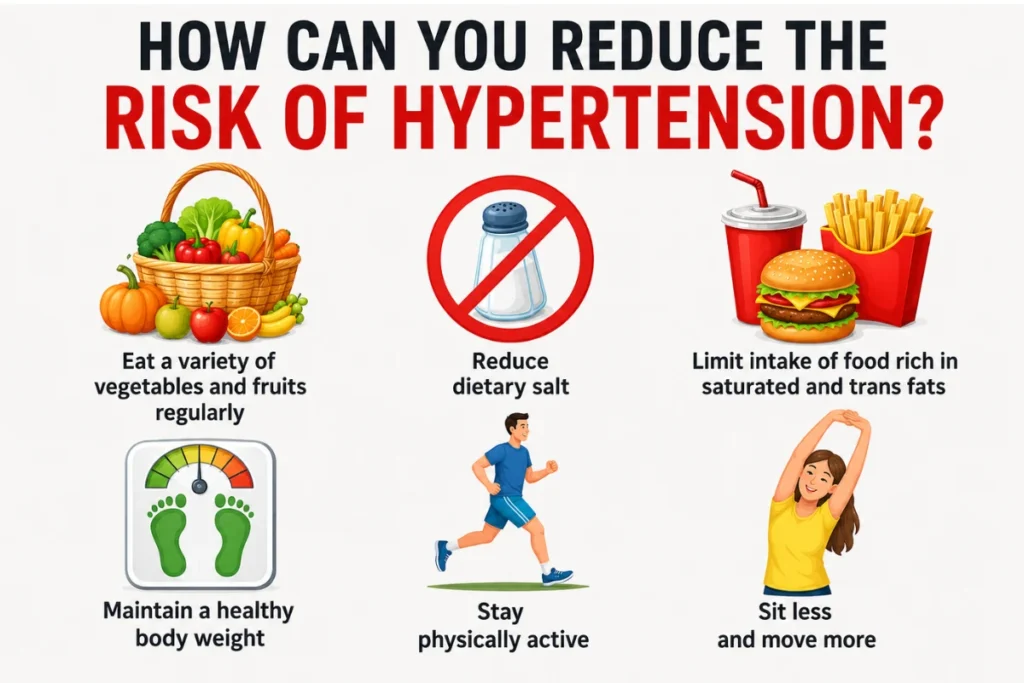
You cannot control every risk factor, but several lifestyle choices can help support colorectal health.
Aim to:
- Eat more vegetables, fruits, whole grains and other fibre-rich foods.
- Limit highly processed foods and excessive consumption of red and processed meats.
- Stay physically active throughout the week.
- Maintain a healthy body weight.
- Avoid smoking.
- Limit alcohol consumption.
- Know your family’s history of colorectal cancer and polyps.
- Discuss persistent digestive symptoms with a doctor instead of repeatedly treating them yourself.
These measures do not eliminate the risk of colorectal cancer, but they can support overall health and may reduce preventable risk factors.
Don’t Let Age Give You False Reassurance
Colon cancer is still more common in older adults, but being under 50 does not make someone completely protected.
For people in Dubai and across the UAE, the message is not to panic it is to pay attention. Persistent rectal bleeding, unexplained weight loss, ongoing bowel changes, abdominal symptoms or unexplained anaemia should not simply be dismissed because you are young.
The UAE has already moved toward earlier colorectal cancer screening, with recommendations beginning at age 40 for average-risk adults.
If you are under 50 and experiencing concerning symptoms, speak with a doctor or gastroenterologist. If you are 40 or older, ask your healthcare provider whether you are due for colorectal cancer screening.
Early attention can make a meaningful difference.
Frequently Asked Questions
1. Can people under 50 get colon cancer?
Yes. Although colon cancer is more common in older adults, it can also affect younger people. Family history, genetic factors, obesity, physical inactivity, and certain lifestyle factors may increase the risk.
2. What are the symptoms of colon cancer under 50?
Common colon cancer under 50 symptoms include rectal bleeding, blood in the stool, persistent changes in bowel habits, abdominal pain or bloating, unexplained weight loss, fatigue, and iron-deficiency anaemia. These symptoms can have other causes, but persistent symptoms should be evaluated by a doctor.
3. At what age should I start colon cancer screening in Dubai?
Dubai’s current health screening guidance recommends colorectal cancer screening for average-risk men and women from age 40. People with higher-risk factors may need screening earlier based on medical advice.
4. What tests are used for colon cancer screening in Dubai?
Common screening options include a Faecal Immunochemical Test (FIT) and colonoscopy. Your doctor can recommend the most appropriate option based on your age, symptoms, family history, and overall risk.
5. Should I have a colonoscopy if I am under 40?
Not everyone under 40 needs a colonoscopy. However, it may be recommended if you have concerning symptoms, a strong family history of colorectal cancer, certain inherited conditions, or inflammatory bowel disease.
6. Can lifestyle changes reduce the risk of colon cancer?
Maintaining a healthy weight, staying physically active, eating more fibre-rich foods, limiting processed and red meat, avoiding smoking, and limiting alcohol can help reduce several risk factors associated with colorectal cancer.