IBS vs IBD: How to Tell the Difference
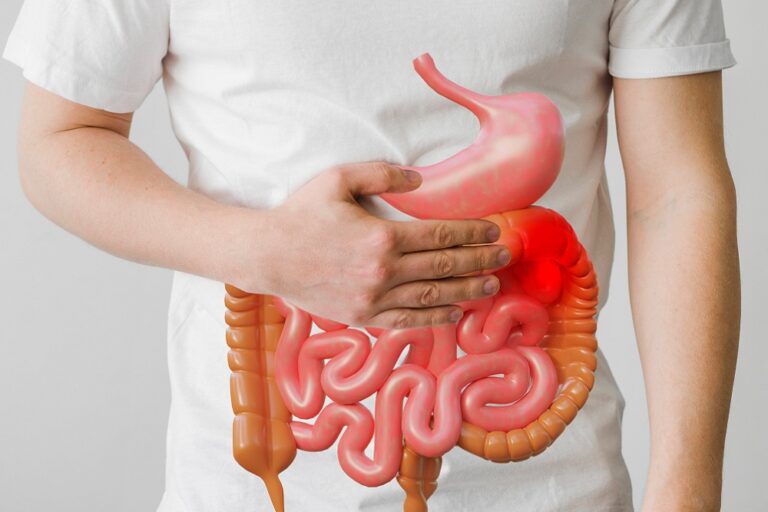
Bloating, abdominal pain, diarrhoea and changes in bowel habits are common digestive complaints. For many people, these symptoms are simply uncomfortable. But when they continue for weeks or keep returning, it is natural to wonder whether the problem could be IBS or IBD.
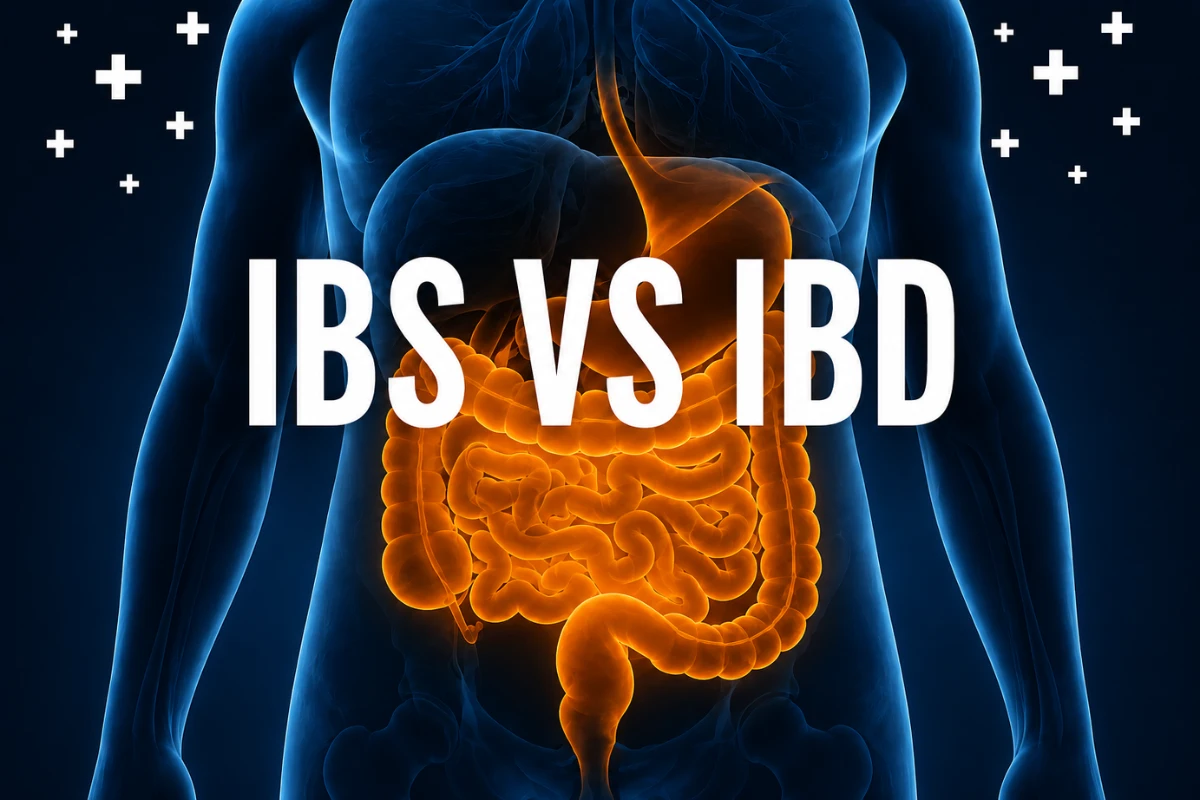
Although their names sound similar, Irritable Bowel Syndrome (IBS) and Inflammatory Bowel Disease (IBD) are very different conditions. IBS mainly affects how the digestive system functions, while IBD involves inflammation and damage within the digestive tract.
Understanding the difference can help you recognise when symptoms may need medical evaluation. This is particularly important in Dubai, where busy lifestyles, irregular meals, stress and changing dietary habits can make digestive symptoms easy to overlook.
What Is IBS?
Irritable Bowel Syndrome is a common gastrointestinal disorder that affects the way the bowel functions. It can cause abdominal pain and changes in bowel habits without causing the type of ongoing intestinal inflammation seen in IBD.
People with IBS may experience:
- Abdominal cramps or pain
- Bloating
- Excessive gas
- Diarrhoea
- Constipation
- Alternating diarrhoea and constipation
- Changes in stool appearance
- A feeling of incomplete bowel emptying
IBS symptoms can vary considerably from person to person. Some people mainly experience constipation, while others have frequent loose stools. Some alternate between both.
Symptoms can also fluctuate over time, with periods when they improve and periods when they become more noticeable.
What Is IBD?
Inflammatory Bowel Disease is an umbrella term primarily used for Crohn’s disease and ulcerative colitis.
Unlike IBS, IBD involves chronic inflammation of the gastrointestinal tract. Depending on the type and location of the disease, inflammation can cause ulcers, bleeding and other complications.
Common IBD symptoms include:
- Persistent diarrhoea
- Blood in the stool
- Abdominal pain or cramping
- Urgent bowel movements
- Unexplained weight loss
- Fatigue
- Reduced appetite
- Fever in some cases
- Anaemia
- Symptoms outside the digestive system, such as joint pain or certain skin and eye problems
IBD can range from mild to severe and often requires ongoing medical management.
IBS vs IBD: What Is the Main Difference?
The simplest way to understand the difference is this:
IBS affects bowel function, while IBD causes inflammation in the digestive tract.
IBS does not typically cause visible damage to the intestine. IBD, on the other hand, can cause inflammation and structural changes that may lead to complications if left untreated.
This distinction is important because the treatment and long-term management of the two conditions are very different.
| IBS | IBD |
| Functional gastrointestinal disorder | Chronic inflammatory disease |
| Does not usually cause intestinal inflammation or tissue damage | Causes inflammation and may damage intestinal tissue |
| Commonly causes abdominal pain, bloating and bowel changes | May cause diarrhoea, bleeding, abdominal pain and weight loss |
| Symptoms can fluctuate | May involve periods of flare-ups and remission |
| Does not increase colorectal cancer risk in the same way as IBD | Some long-standing forms of IBD can increase colorectal cancer risk |
| Usually managed with lifestyle, dietary and symptom-focused approaches | May require medication to control inflammation and prevent complications |
Can IBS Cause Blood in the Stool?

Blood in the stool should not automatically be attributed to IBS.
IBS itself does not typically cause rectal bleeding. Blood may result from haemorrhoids, anal fissures or other conditions, but it can also be a sign of inflammatory bowel disease or another gastrointestinal problem.
If you notice blood in your stool, particularly if it keeps happening or is accompanied by weight loss, persistent diarrhoea or significant abdominal symptoms, speak with a healthcare professional.
How Are IBS and IBD Diagnosed?
There is no single test that diagnoses every case of IBS or IBD.
For suspected IBS, a doctor will usually review your symptoms, medical history and bowel habits. Blood tests or stool tests may be recommended to rule out other conditions, particularly when symptoms do not fit a typical IBS pattern.
When IBD is suspected, doctors may use a combination of tests, including blood tests, stool tests, imaging and endoscopic examinations such as colonoscopy.
A colonoscopy allows a gastroenterologist to examine the lining of the colon and, when necessary, take small tissue samples for laboratory analysis.
The diagnostic approach depends on your symptoms and individual risk factors.
IBS vs IBD Symptoms: What Should You Look For?
There can be significant overlap between IBS and IBD symptoms, which is why self-diagnosis can be difficult.
Bloating, abdominal pain and changes in bowel movements can occur with both conditions.
However, symptoms such as persistent blood in the stool, unexplained weight loss, fever, significant fatigue, anaemia, or ongoing diarrhoea are more concerning for an inflammatory or other underlying gastrointestinal condition and should be medically assessed.
This does not mean that these symptoms automatically indicate IBD. Several other digestive conditions can cause them.
The key is to investigate persistent or unexplained symptoms rather than assuming they are IBS.
Can Stress Cause IBS?
Stress does not mean that IBS symptoms are “just in your head.”
The digestive system and brain communicate closely through what is often called the gut-brain axis. Stress and emotional changes can influence bowel movements, sensitivity and digestive symptoms in people with IBS.
This is one reason some people notice their symptoms worsening during stressful periods.
Managing stress, getting adequate sleep, staying physically active and identifying individual dietary triggers can be useful components of IBS management.
However, persistent symptoms still deserve appropriate medical assessment.
What Causes IBD?
The exact cause of IBD is not completely understood.
Researchers believe it involves a combination of immune system activity, genetics, environmental factors and changes in the gut microbiome.
Having a family history of IBD can increase the risk, although many people diagnosed with IBD do not have an affected close relative.
IBD is not simply caused by eating spicy food or having a stressful week. It is a genuine inflammatory disease that requires appropriate medical care.
How Is IBS Treated?

IBS treatment is usually personalised because different people have different triggers.
Depending on the symptoms, management may include:
- Adjusting dietary habits
- Increasing or modifying fibre intake
- Identifying individual food triggers
- A carefully supervised low-FODMAP diet in selected patients
- Regular physical activity
- Stress-management techniques
- Medicines for constipation or diarrhoea when appropriate
- Treatment aimed at abdominal pain or other specific symptoms
The goal is usually to control symptoms and improve quality of life.
How Is IBD Treated?
Treatment for IBD focuses on reducing inflammation and preventing complications.
Depending on the type and severity of IBD, treatment may include medications such as aminosalicylates, corticosteroids, immunomodulators, biologic therapies or other targeted medicines.
Some patients may require surgery, particularly when complications develop or medication does not adequately control the disease.
Because IBD can change over time, ongoing monitoring by a gastroenterologist is often necessary.
When Should You See a Gastroenterologist in Dubai?
Occasional bloating, constipation or diarrhoea does not necessarily mean you have IBS or IBD.
However, you should consider speaking with a gastroenterologist if your digestive symptoms are persistent, recurrent or interfering with your daily life.
Medical evaluation is particularly important if you experience:
- Blood in the stool
- Unexplained weight loss
- Persistent diarrhoea
- Severe or worsening abdominal pain
- Ongoing fatigue or anaemia
- Fever alongside digestive symptoms
- Symptoms that regularly wake you during the night
- A family history of IBD or colorectal cancer
For people in Dubai, getting evaluated early can help distinguish IBS from IBD and other digestive conditions. The right diagnosis can prevent unnecessary dietary restrictions and ensure that inflammatory disease is treated appropriately.
The Bottom Line
IBS and IBD may share some symptoms, but they are not the same condition.
IBS is primarily a disorder of bowel function, while IBD involves inflammation of the digestive tract. IBS can often be managed through lifestyle changes, dietary adjustments and symptom-specific treatment. IBD generally requires medical treatment aimed at controlling inflammation and preventing complications.
If you have ongoing digestive symptoms, don’t assume they are simply IBS. A consultation with a gastroenterologist can help determine what is actually causing your symptoms and whether further testing is needed.
Frequently Asked Questions
1. What is the main difference between IBS and IBD?
IBS mainly affects how the bowel functions and does not usually cause intestinal inflammation or tissue damage. IBD, which includes Crohn’s disease and ulcerative colitis, causes inflammation within the digestive tract and can lead to tissue damage and complications.
2. Can IBS turn into IBD?
No. IBS does not develop into IBD. They are separate conditions with different causes and treatment approaches. However, their symptoms can overlap, which is why persistent or unusual symptoms should be properly evaluated.
3. Is blood in the stool a symptom of IBS or IBD?
Blood in the stool is not a typical symptom of IBS. It can occur with IBD, particularly during active inflammation, but it can also be caused by haemorrhoids, anal fissures and other conditions. Persistent or unexplained bleeding should be assessed by a doctor.
4. Which is more serious, IBS or IBD?
IBD is generally considered more serious because ongoing inflammation can damage the digestive tract and cause complications. IBS can significantly affect quality of life but does not typically cause the same type of intestinal damage.
5. Can stress make IBS or IBD worse?
Stress can trigger or worsen IBS symptoms in many people. Stress may also affect how someone experiences IBD symptoms, although IBD itself is an inflammatory disease that requires medical management. Stress management can be helpful alongside appropriate treatment.
6. When should I see a gastroenterologist for IBS-like symptoms in Dubai?
Consider seeing a gastroenterologist if symptoms persist, keep returning or interfere with your daily activities. Seek medical evaluation sooner if you have blood in the stool, unexplained weight loss, persistent diarrhoea, severe abdominal pain, fever or significant fatigue.