
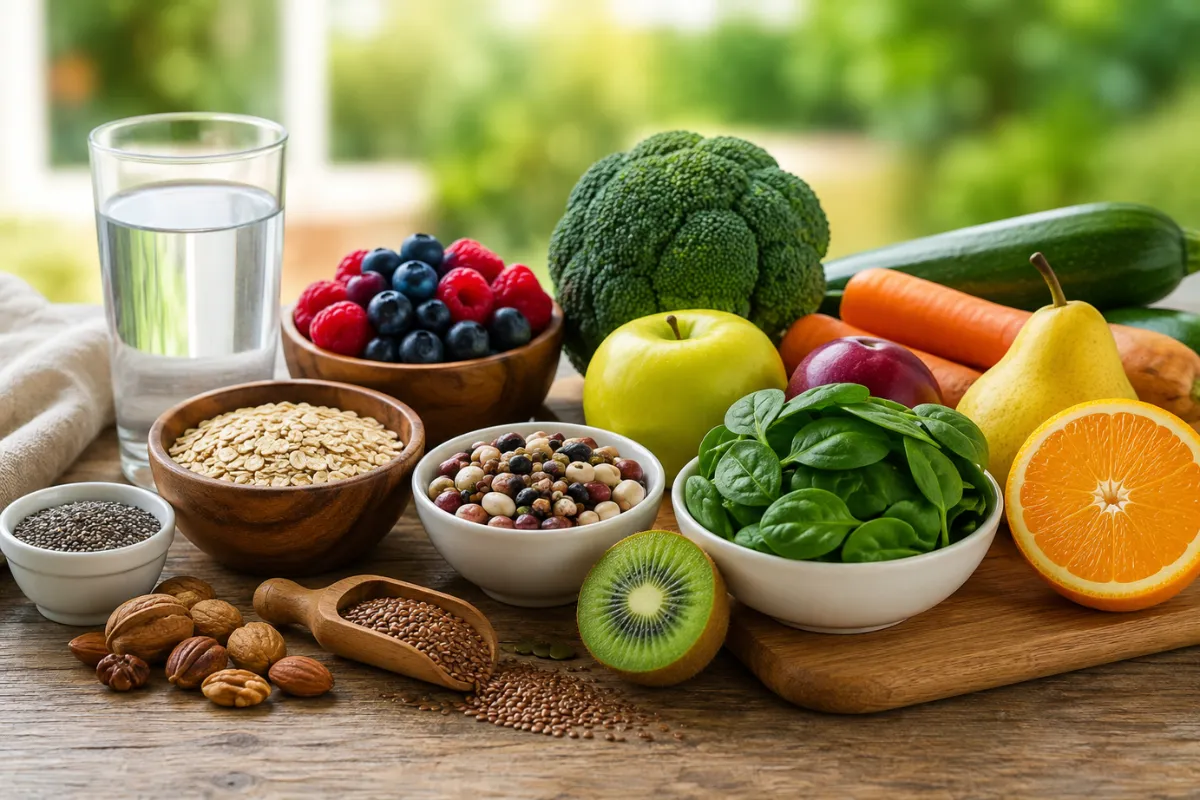
Preventing Constipation: Best Foods and Daily Habits
Constipation is one of the most common digestive complaints, but many people still ignore it until it becomes uncomfortable or disruptive. If bowel movements are becoming less frequent, harder to pass, or incomplete, small changes in your routine can often make a real difference. In many cases, preventing constipation naturally starts with understanding what your gut needs every day.
Preventing constipation is not only about adding more fibre. It often depends on a combination of hydration, regular eating patterns, physical activity, and recognising habits that may be slowing the bowel down. Understanding which foods support healthy bowel function and which daily routines can improve gut motility is an important part of maintaining long-term digestive comfort and preventing constipation from becoming a recurring issue.
What Is Constipation and Why Does It Happen?
Constipation is not simply about “not going every day.” For some people, it means passing hard stools, straining, feeling bloated, or feeling that the bowel has not emptied properly. A normal bowel pattern can vary from person to person, but when bowel movements become difficult, infrequent, or uncomfortable, it is worth paying attention.
There are many possible reasons constipation happens, including:
- Low fibre intake
- Poor hydration
- Lack of physical activity
- Irregular meal timings
- Ignoring the urge to open the bowels
- Stress or travel-related routine changes
- Certain medications, such as iron tablets, painkillers, or some antacids
- Underlying digestive or medical conditions
In many patients, constipation is not caused by one major issue. It is often the result of several small habits adding up over time.
Why Food Matters So Much for Bowel Regularity
Your digestive system needs the right balance of fibre, fluids, and routine to keep stool moving smoothly through the colon. When your diet is low in fibre, or your body is not getting enough water, stool can become dry, firm, and more difficult to pass.
This is why food is one of the first places to start when trying to improve bowel habits. The goal is not to depend on laxatives long-term unless medically advised. Instead, the focus should be on building a digestive pattern that supports regular, comfortable bowel movements.
The Best Foods That Help Prevent Constipation
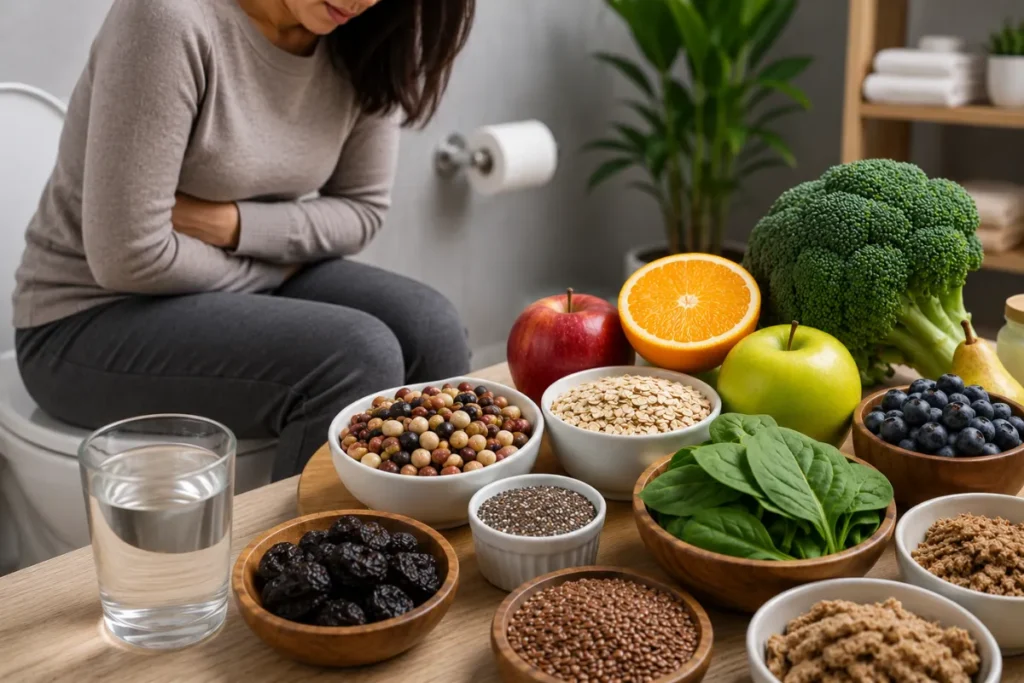
When patients ask about the best foods to prevent constipation, the answer usually comes down to foods that add bulk, retain water in the stool, and support healthy gut movement.
1. Fruits Rich in Fibre and Water
Certain fruits can be especially helpful for constipation because they contain both fibre and natural water content.
Helpful options include:
- Kiwi
- Pears
- Apples (with skin)
- Oranges
- Papaya
- Prunes or prune juice in moderation
Prunes are well known because they contain fibre as well as sorbitol, which can help draw water into the bowel and make stool easier to pass.
2. Vegetables That Support Digestion
Vegetables provide fibre, volume, and important nutrients for gut health.
Good choices include:
- Spinach
- Broccoli
- Carrots
- Courgette
- Pumpkin
- Green beans
- Sweet potato
Cooked vegetables may be easier to tolerate than raw salads for patients who also struggle with bloating or IBS.
3. Whole Grains Instead of Refined Carbohydrates
Refined foods such as white bread, pastries, and processed snacks are often low in fibre. Replacing some of these with whole grains can support better bowel regularity.
Useful options include:
- Oats
- Wholemeal bread
- Brown rice
- Quinoa
- Bran cereals (if tolerated)
Oats are often one of the gentlest starting points for increasing fibre without overwhelming a sensitive gut.
4. Legumes, Seeds, and Nuts
These foods can be excellent for long-term bowel support when introduced gradually.
Examples include:
- Lentils
- Chickpeas
- Beans
- Chia seeds
- Flaxseeds
- Almonds
If your gut is sensitive, start with small portions. Increasing fibre too quickly can cause gas and bloating, which is why a gradual approach matters.
Fibre Needs Water to Work Properly
One of the most common mistakes people make is increasing fibre without increasing fluids. This can actually worsen constipation.
Fibre helps bulk the stool, but water helps keep it soft enough to move comfortably through the bowel. If you are increasing fruits, vegetables, oats, or seeds, you should also make sure you are drinking enough throughout the day.
A few practical hydration tips:
- Sip water regularly rather than waiting until you feel very thirsty
- Increase fluids in hot weather or if you are physically active
- Include soups or water-rich fruits if plain water is difficult to maintain
- Limit excessive caffeine if it seems to worsen dehydration or bowel irregularity
Daily Habits That Make a Real Difference

Food is important, but it is only one part of the picture. In many patients, daily habits for constipation relief are just as important as diet.
1. Do Not Ignore the Urge
When your body signals that it is time to open the bowels, delaying it repeatedly can make constipation worse. The stool stays in the colon longer, becomes drier, and becomes more difficult to pass.
2. Create a Regular Bathroom Routine
Many people benefit from sitting on the toilet at the same time each day, especially after breakfast. The bowel is often naturally more active after eating, and this can help train a more regular pattern.
3. Stay Physically Active
Movement stimulates the bowel. Even 20 to 30 minutes of walking daily can improve gut motility and reduce sluggish digestion.
4. Eat Meals at Consistent Times
Skipping meals or eating irregularly can affect digestive rhythm. The bowel responds to routine, and meal timing plays a bigger role than many people realise.
5. Manage Stress
Stress can slow digestion in some people and worsen constipation, especially if it disrupts sleep, appetite, or normal routine. Patients with IBS often notice this very clearly.
Building a More Regular Bowel Pattern
If your goal is long-term bowel health, focus on high fibre foods and habits for regular bowel movements rather than quick fixes. A balanced digestive routine is usually more effective than reacting only when constipation becomes severe.
A practical daily routine might include:
- A fibre-rich breakfast, such as oats with fruit
- Adequate water throughout the day
- At least one serving of vegetables at lunch and dinner
- A short daily walk
- Responding to the urge to use the toilet
- Avoiding long gaps between meals
- Reducing excessive processed foods
These simple steps are often overlooked, but they are the foundation of healthier bowel function.
When Constipation Should Not Be Ignored
Occasional constipation is common, especially during travel, stress, or routine changes. But persistent constipation deserves proper medical review.
Please seek medical advice if you have:
- Constipation lasting more than a few weeks
- New constipation after age 40 or 50
- Blood in the stool
- Unexplained weight loss
- Significant abdominal pain
- Vomiting or severe bloating
- A family history of bowel cancer
- A sudden major change in bowel habit
These symptoms do not always mean something serious, but they should not be self-managed indefinitely.
Conclusion
Constipation is often a sign that the digestive system needs more support, not just a temporary fix. In many cases, preventing constipation naturally comes down to improving fibre intake, staying well hydrated, moving more, and building a more regular daily routine. Small, consistent habits are often far more effective for long-term bowel health than relying only on short-term remedies.
When constipation becomes persistent or starts coming with bloating or discomfort, Dr Neil Galletly, an experienced Gastroenterologist in Dubai, can help assess the cause and recommend the right treatment plan.