
Best Dietary Tips for Managing Irritable Bowel Syndrome (IBS)
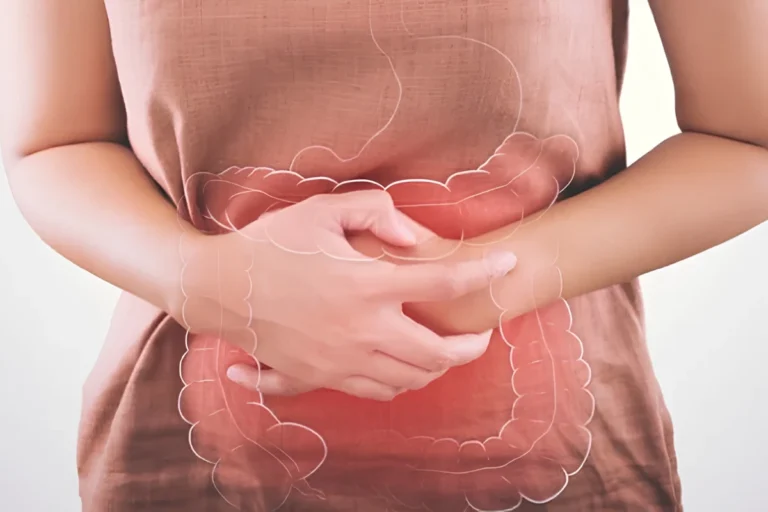
Living with IBS can feel frustrating because the same meal may feel fine one day and trigger symptoms the next. Bloating, cramping, urgency, constipation, or diarrhoea can quickly affect your confidence and daily routine. The right IBS diet tips can help reduce flare-ups and make symptoms far more predictable.
Managing IBS through diet is rarely about finding one perfect food plan that works for everyone. IBS symptoms often vary from person to person, which is why a more thoughtful and individual approach to food can be far more helpful than following general restrictions. Understanding common dietary triggers, meal habits, and practical strategies to calm the gut can make a meaningful difference in reducing symptom frequency and improving day-to-day comfort.
Why Diet Matters So Much in IBS
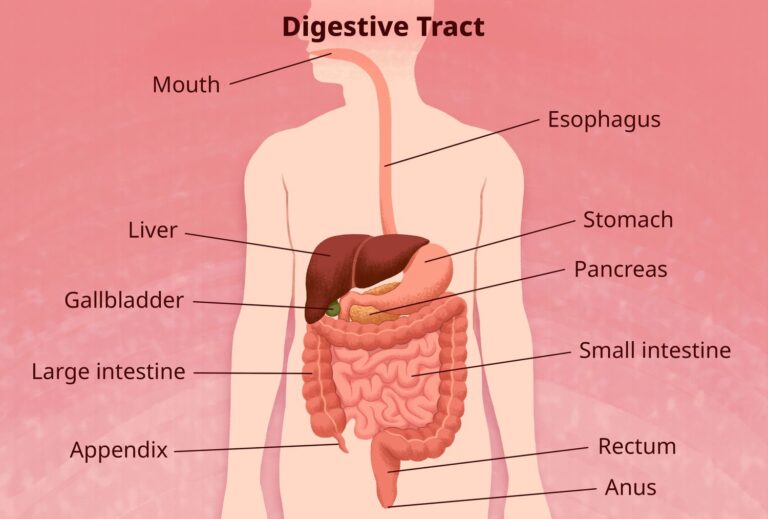
Irritable Bowel Syndrome is a functional gut disorder, which means the bowel can become overly sensitive and react strongly even when there is no structural disease causing the symptoms. Many patients notice that certain foods, meal sizes, or eating habits seem to make their gut more reactive.
This is why diet often becomes one of the most important parts of symptom control. It does not mean there is one “perfect IBS diet” for everyone. In fact, one of the most important things to understand is that IBS is highly individual. A food that causes bloating in one person may be completely well-tolerated by another.
The goal is not to create fear around food. The goal is to identify patterns, reduce triggers, and build a diet that feels sustainable rather than restrictive.
Start with Simplicity, Not Restriction
One of the most common mistakes people make after an IBS diagnosis is cutting out too many foods too quickly. This often leads to confusion, poor nutrition, and unnecessary stress around eating.
A better approach is to begin with a few practical foundations:
- Eat at regular times
- Avoid very large meals
- Slow down when eating
- Chew properly
- Reduce highly processed foods
- Limit excessive alcohol and fizzy drinks if they worsen symptoms
For many patients, these simple steps already reduce bloating and discomfort before any complex diet plan is needed.
Common Foods That May Trigger IBS Symptoms
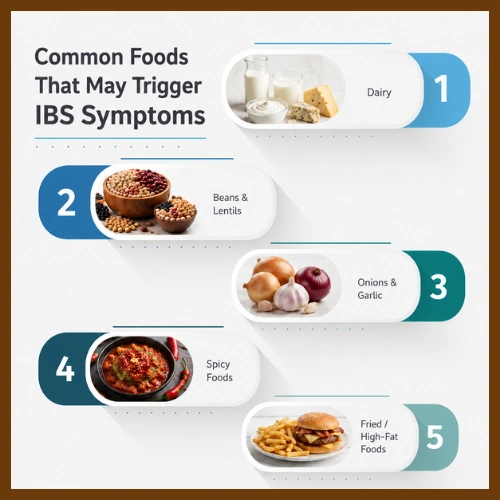
Certain foods are more likely to trigger symptoms in sensitive patients, especially when eaten in large amounts.
These may include:
- Onions and garlic
- Beans and lentils in larger portions
- Cabbage, cauliflower, and broccoli
- Milk if lactose intolerance is present
- Very fatty or fried foods
- Artificial sweeteners such as sorbitol
- Fizzy drinks
- Excess caffeine
- Spicy foods in some patients
This does not mean all of these foods must be avoided forever. It simply means they are worth paying attention to if you notice a pattern.
Understanding foods to eat and avoid for IBS is often less about strict lists and more about recognising what your own gut repeatedly reacts to.
The Low FODMAP Concept: Useful, But Not for Everyone Long-Term
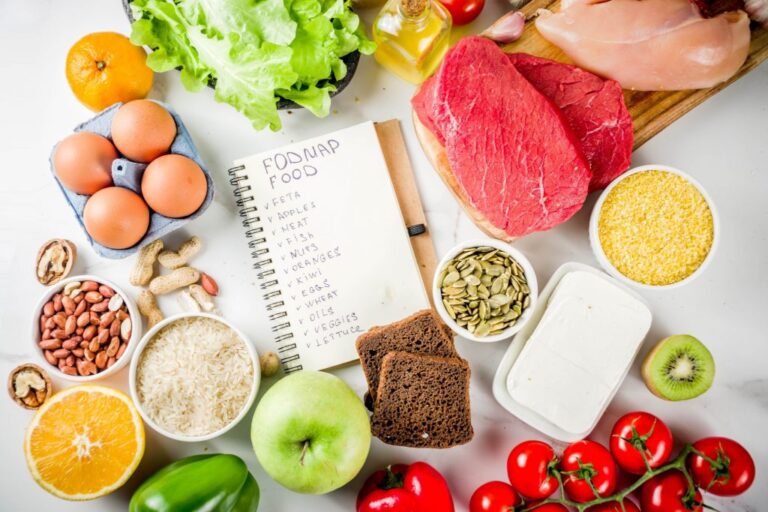
Many people with IBS hear about the low FODMAP diet. This is a structured dietary approach that temporarily reduces certain fermentable carbohydrates that can worsen bloating, gas, abdominal pain, and bowel urgency.
These carbohydrates are found in foods such as:
- Wheat-based products
- Certain fruits like apples and pears
- Some dairy products
- Onions and garlic
- Legumes
- Certain sweeteners
The low FODMAP diet can be helpful, but it should ideally be done in a structured way. It is not designed to be followed strictly forever. The long-term aim is usually to identify which groups trigger symptoms and then reintroduce as many tolerated foods as possible.
For patients trying best dietary tips for managing IBS, this approach can be very effective when symptoms are frequent, but it works best when done carefully rather than self-imposed in an overly restrictive way.
Foods That Are Often Better Tolerated
While IBS triggers vary, some foods are commonly easier on the digestive system, especially during flare-ups.
These may include:
- Oats
- Rice
- Potatoes
- Bananas
- Kiwi
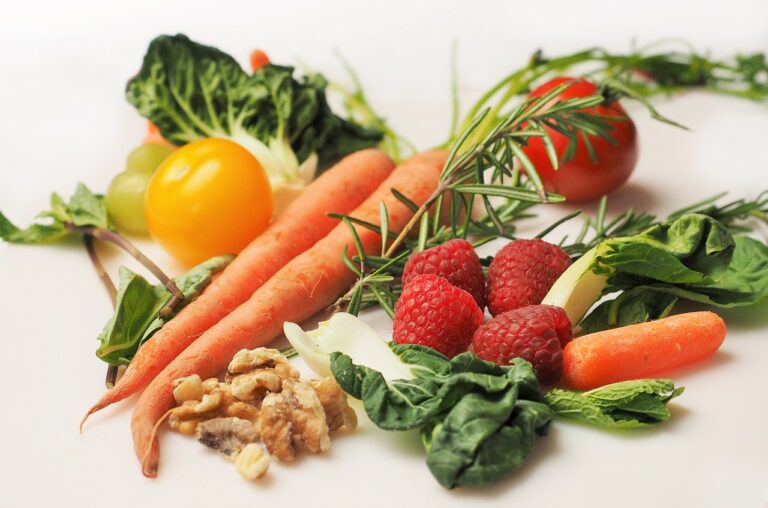
- Cooked carrots
- Courgette
- Eggs
- Plain yoghurt if tolerated
- Lean chicken or fish
- Sourdough bread in some patients
- Peppermint tea for some people with bloating
Cooked foods are often easier to tolerate than raw foods when the gut is feeling sensitive. Warm, simple meals can sometimes be gentler than cold salads, heavy takeaway meals, or very rich foods.
Fibre: Helpful, But the Type Matters
Patients with IBS are often told to “eat more fibre,” but that advice can sometimes backfire if it is too general.
There are two key types of fibre:
Soluble fibre
This is often better tolerated in IBS and can help both constipation and stool consistency. Sources include:
- Oats
- Chia seeds
- Psyllium husk
- Apples (if tolerated)
- Carrots
Insoluble fibre
This can sometimes worsen bloating, gas, or urgency in certain IBS patients. It is found in:
- Bran
- Some raw vegetables
- Whole grains in larger amounts
This is why irritable bowel syndrome diet management should be personalised. The wrong type of fibre, even if “healthy,” may aggravate symptoms rather than improve them.
Meal Habits Can Matter as Much as Food Choice
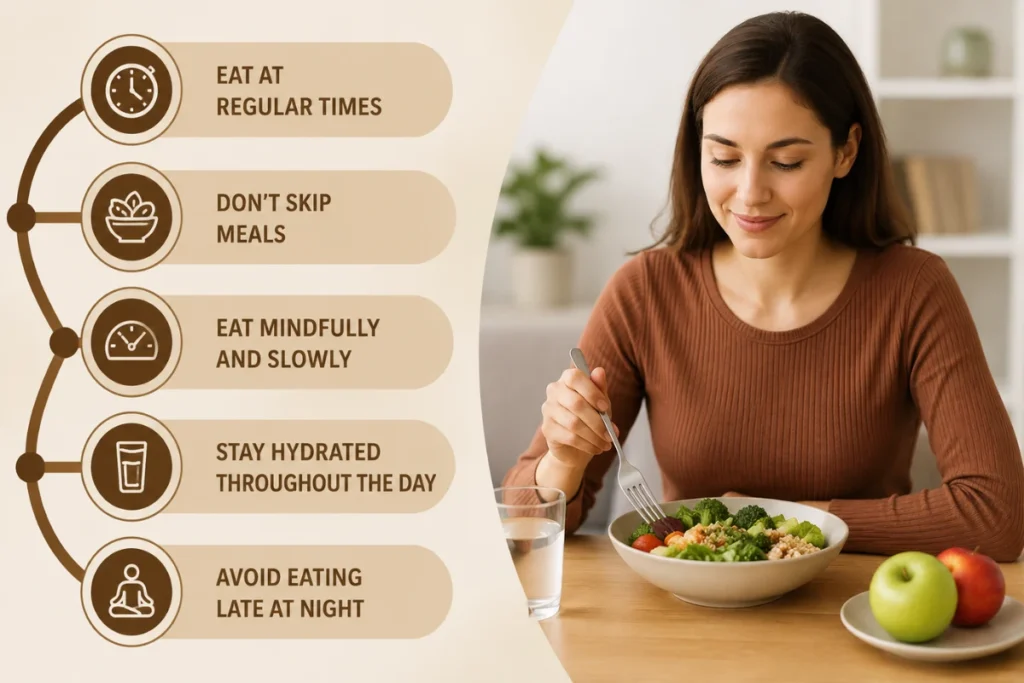
Many IBS symptoms are not only triggered by what you eat, but also by how you eat.
Helpful eating habits include:
Eat smaller meals
Large meals can overstimulate the gut and worsen cramping, urgency, or bloating.
Do not rush meals
Eating quickly increases swallowed air and can worsen bloating.
Avoid long gaps without eating
Skipping meals may make some patients more sensitive later in the day.
Be careful with late heavy dinners
This can worsen bloating, discomfort, and sometimes reflux alongside IBS symptoms.
Keep a symptom-food diary
A short-term diary can be very helpful to spot patterns without becoming obsessive.
Drinks Can Also Be a Trigger
Patients often focus only on food and forget that drinks can be a major issue in IBS.
Common drink-related triggers include:
- Too much coffee
- Energy drinks
- Fizzy drinks
- Alcohol
- Very sweet juices
- Artificially sweetened beverages
For some people, even healthy smoothies can trigger symptoms if they are high in fructose or contain multiple raw fruits at once.
Hydration is still important, but choosing what you drink matters just as much as choosing what you eat.
When Diet Alone Is Not the Full Answer
IBS is strongly influenced by the gut-brain connection. That means stress, poor sleep, anxiety, and routine disruption can all worsen symptoms, even if your diet is relatively well managed.
This is why dietary advice for IBS symptoms should always be part of a broader plan that may also include:
- Stress management
- Better sleep routine
- Regular physical activity
- Identifying triggers without fear
- Proper medical review if symptoms change
If symptoms suddenly become more severe, if there is weight loss, rectal bleeding, anemia, waking at night with symptoms, or a strong family history of bowel disease, those features should not simply be labelled as IBS without further assessment.
Conclusion
Managing IBS through diet is not about chasing a perfect food list, but about understanding which patterns consistently trigger symptoms and which ones your gut handles well.
A more personalised approach to IBS diet management can reduce bloating, discomfort, and bowel unpredictability while making everyday eating feel far less restrictive.
For patients in Dubai struggling with IBS symptoms that continue to disrupt routine or quality of life, Dr Neil provides expert gastroenterology assessment and tailored treatment guidance.