
Lifestyle Changes to Help Prevent and Treat Acid Reflux Disease
If you are regularly reaching for antacids, your body may be telling you that the issue is not just the food you ate last night. Acid reflux often becomes a recurring pattern, not a one-off inconvenience. The right acid reflux lifestyle changes can make a significant difference in reducing symptoms and preventing flare-ups.
For many patients, reflux is influenced not only by what they eat, but also by how they eat, when they eat, body weight, sleep habits, and everyday routines that increase pressure on the stomach. That is why long-term reflux control often requires more than short-term symptom relief. Understanding the lifestyle factors that contribute to acid reflux can help reduce discomfort, lower the frequency of flare-ups, and support better digestive health over time.
Why Acid Reflux Keeps Coming Back
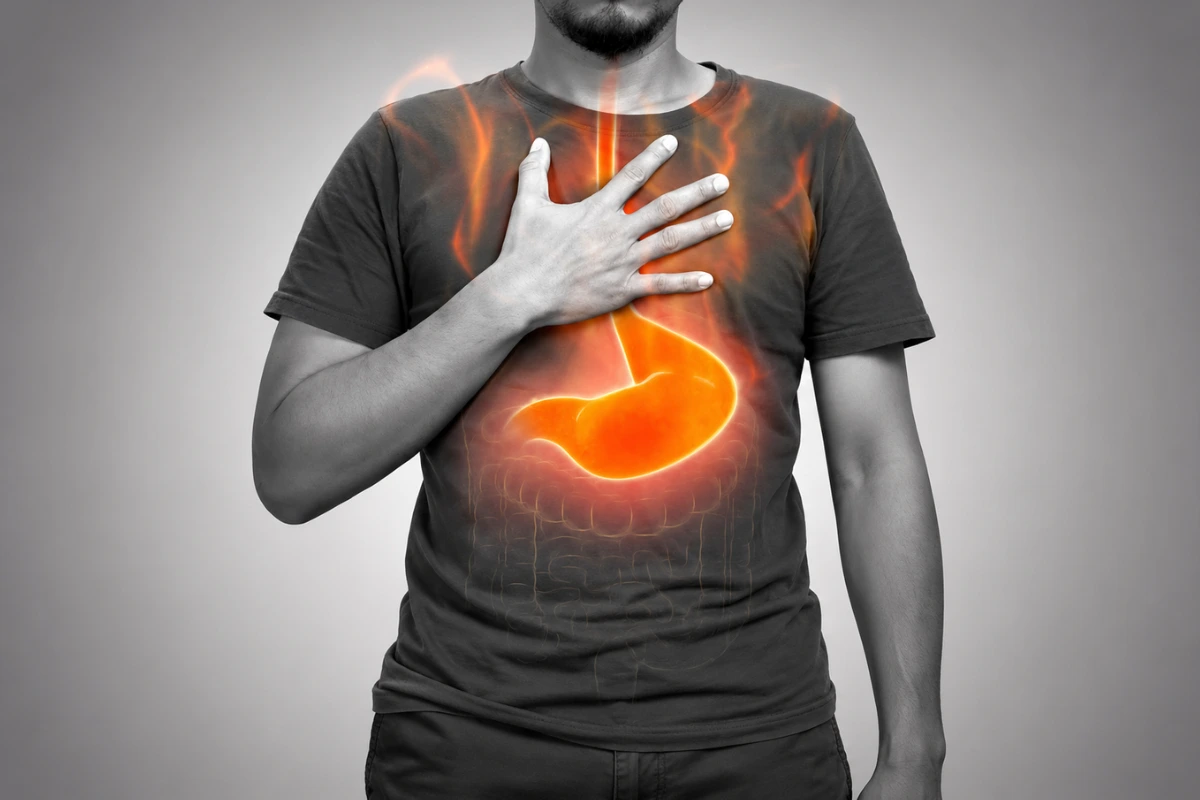
Acid reflux happens when stomach contents move upwards into the oesophagus, irritating. This can lead to symptoms such as:
- Burning in the chest
- Sour taste in the mouth
- Regurgitation after meals
- Throat irritation
- Chronic cough
- Hoarseness
- A feeling of food coming back up
Many patients assume reflux is only caused by spicy food, but that is rarely the full story. In reality, reflux is often influenced by a combination of eating habits, body position, weight, meal timing, and pressure on the stomach.
This is why treatment is not always just about medication. Lifestyle habits often play a much bigger role than people realise.
Reflux Is Often Triggered by Patterns, Not Just Foods
Patients often ask, “What should I stop eating?” but the better question is often, “What am I doing that keeps triggering reflux?”
For example:
- Eating large meals late at night
- Lying down too soon after dinner
- Frequent overeating
- Gaining weight around the abdomen
- Drinking excess caffeine or alcohol
- Smoking
- Wearing tight clothing around the waist
Even if you are already taking reflux medication, these habits can continue to trigger symptoms if they are not addressed.
Start with Meal Timing: One of the Most Important Changes
One of the simplest and most effective reflux strategies is changing when you eat, not only what you eat.
Avoid late-night meals
Eating close to bedtime is one of the most common reflux triggers. When you lie down soon after eating, gravity no longer helps keep stomach contents where they belong.
Try to leave at least:
- 2 to 3 hours between dinner and lying down
- Longer if you have frequent night-time reflux
Reduce the size of evening meals
A very large dinner increases pressure inside the stomach and makes reflux more likely. Even healthy foods can trigger symptoms if the meal is too large.
Smaller, lighter dinners are often better tolerated than heavy meals late in the day.
These are some of the most effective lifestyle tips to prevent acid reflux because they target one of the most common daily triggers.
Portion Size Matters More Than Most People Think

Many reflux sufferers focus only on “trigger foods” and overlook the effect of volume.
A large meal can:
- Stretch the stomach
- Increase abdominal pressure
- Slow stomach emptying
- Make reflux episodes more likely
This is especially true when meals are:
- Rich in fat
- Fried or oily
- Eaten quickly
- Combined with alcohol
- Followed by lying down or bending forward
Eating smaller portions more consistently through the day is often better than having long gaps followed by one heavy meal.
Weight Management Can Significantly Reduce Reflux
Excess weight, especially around the abdomen, increases pressure on the stomach and can make reflux more frequent and more severe.
This does not mean every reflux patient is overweight, but where weight is a factor, even modest weight loss can help reduce:
- Heartburn frequency
- Regurgitation
- Night-time reflux
- Dependence on medication in some cases
For many patients, this is one of the most overlooked parts of treating acid reflux with lifestyle changes because it improves the mechanics of reflux, not just the symptoms.
Identify Food Triggers Without Becoming Overly Restrictive
There is no universal reflux diet that works for everyone. However, some foods are more likely to aggravate symptoms in sensitive patients.
Common triggers include:
- Fatty or fried foods
- Chocolate
- Coffee
- Peppermint
- Alcohol
- Tomato-based sauces
- Citrus fruits in some patients
- Spicy meals
- Carbonated drinks
The key is not to remove everything automatically. Instead, look for patterns.
Helpful questions to ask:
- Is reflux worse after coffee on an empty stomach?
- Does it happen more after rich restaurant meals?
- Is it worse when alcohol and a late meal are combined?
- Are symptoms mainly at night?
A symptom diary can be useful for 1 to 2 weeks without turning eating into a stressful process.
Positioning and Gravity Matter More Than You Realise
Reflux is strongly affected by body position.
Do not lie down after meals
This is a simple but important habit. Reclining on the sofa straight after dinner or going to bed too soon can worsen symptoms.
Elevate the head of the bed if symptoms are night-time related
If reflux is worse during sleep, raising the head end of the bed can help reduce acid exposure overnight. This is often more effective than simply using extra pillows, which may not position the body correctly.
Be careful with bending forward after eating
Activities such as lifting, exercising intensely, or bending down after a large meal can sometimes provoke reflux.
These are practical natural ways to manage GERD symptoms because they use body mechanics rather than relying only on medication.
Smoking and Alcohol Can Make Reflux Harder to Control

Both smoking and alcohol can worsen reflux.
Smoking
Smoking can weaken the lower oesophageal sphincter, the valve that helps keep stomach contents from rising upwards. It can also worsen irritation in the oesophagus and throat.
Alcohol
Alcohol may relax the same valve and also worsen reflux in combination with larger meals or late eating.
Reducing or eliminating these triggers can make a meaningful difference, especially in patients whose symptoms remain persistent despite medication.
Stress and Sleep Also Influence Reflux
Stress does not directly “cause” acid reflux in the way patients often imagine, but it can absolutely make symptoms worse.
When stressed, people are more likely to:
- Eat quickly
- Skip meals and then overeat
- Choose trigger foods
- Drink more caffeine
- Sleep poorly
- Notice discomfort more intensely
Sleep deprivation can also worsen digestive sensitivity and make reflux symptoms feel more frequent or more severe.
This is why reflux management is not just about the stomach. It often involves improving routine, meal rhythm, and overall lifestyle stability.
When Lifestyle Changes May Not Be Enough
Lifestyle changes are extremely important, but they are not always the full answer.
You should seek proper medical review if you have:
- Frequent reflux more than twice a week
- Difficulty swallowing
- Food sticking
- Unexplained weight loss
- Vomiting
- Unclear chest pain
- Persistent cough or hoarseness
- Symptoms despite medication
- Night-time reflux affecting sleep regularly
Sometimes reflux may need further evaluation with endoscopy, especially if symptoms are persistent, worsening, or associated with alarm features.
Conclusion
Reflux often becomes more manageable when the focus shifts from reacting to symptoms to changing the habits that keep triggering them. Practical adjustments such as meal timing, portion control, sleep positioning, and weight management can play an important role in reducing flare-ups and improving longer-term reflux control.
Ongoing acid reflux deserves proper review when symptoms are becoming frequent, disruptive, or increasingly dependent on regular medication.
Dr Neil provides specialist gastroenterology care in Dubai to investigate reflux thoroughly and recommend a treatment plan tailored to the cause rather than the symptom alone.