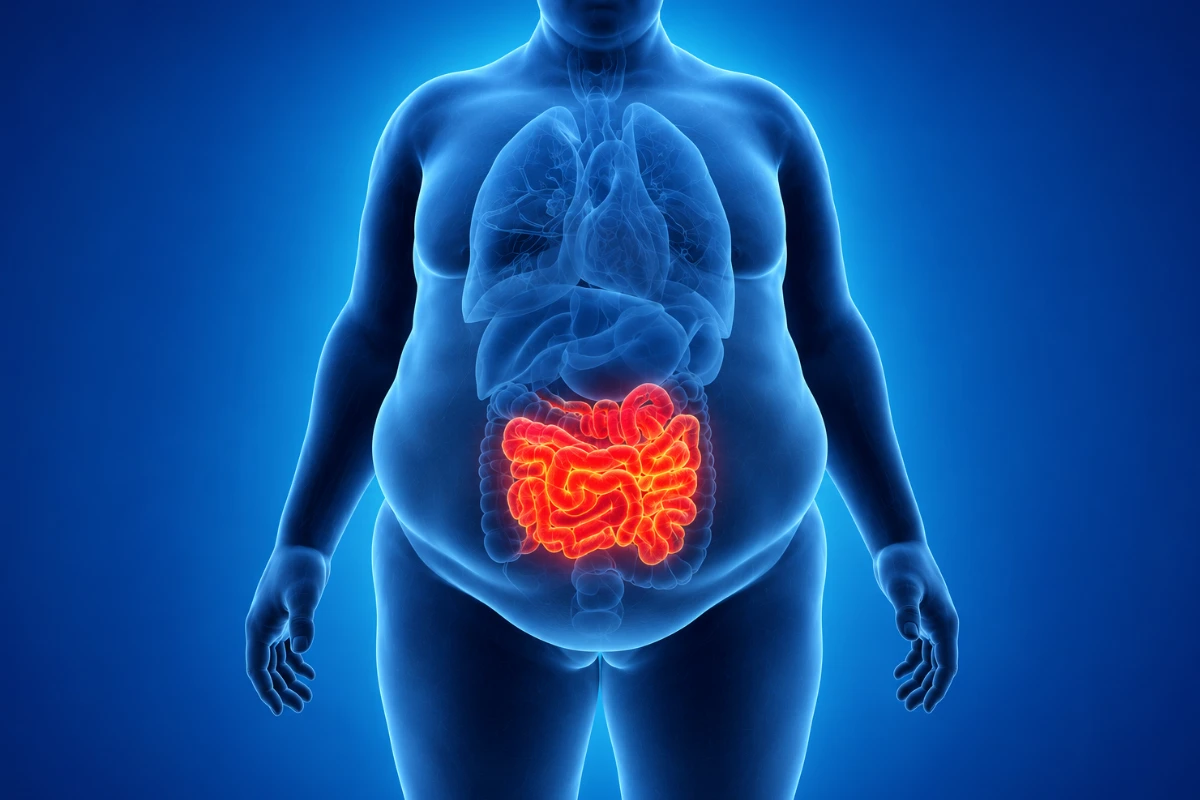
The Link Between Obesity and Digestive System Diseases
Many people think of obesity mainly in relation to diabetes, blood pressure, or heart disease, but the digestive system is often affected much earlier than expected. Weight gain can quietly influence the stomach, liver, gallbladder, pancreas, and bowel long before obvious symptoms appear.
In clinical practice, some of the most common digestive complaints are closely tied to excess body weight and metabolic health. Understanding obesity and digestive diseases is important because recognising that connection early can help prevent more serious gastrointestinal problems later on.
Why Digestive Health Is Strongly Influenced by Body Weight
The digestive system does not work in isolation. It responds to metabolism, inflammation, hormonal signals, abdominal pressure, and fat distribution in the body. When excess weight accumulates, especially around the abdomen, it can change how the digestive organs function and how symptoms develop.
This is one of the most important but under-recognised parts of the link between obesity and gut health. Extra weight does not simply “sit outside” the digestive system. It can alter intra-abdominal pressure, affect gut motility, influence the gut microbiome, and increase the risk of inflammation-related conditions.
Some patients may notice symptoms such as:
- Frequent acid reflux
- Bloating after meals
- Sluggish digestion
- Constipation
- Abdominal discomfort
- Fatty liver found incidentally on scan
- Gallstones or gallbladder pain
Others may have no symptoms at all, which is why the problem is sometimes missed until it has already progressed.
How Excess Weight Changes the Digestive System
To understand how obesity affects digestive system function, it helps to look at the different ways weight influences the body.
Increased abdominal pressure
Extra weight around the abdomen can physically increase pressure on the stomach. This makes acid reflux and regurgitation more likely, particularly after large meals or when lying down.
Metabolic inflammation
Obesity is associated with low-grade chronic inflammation. Over time, this can affect the liver, pancreas, and gut lining, contributing to digestive and metabolic disease.
Changes in gut hormones
Weight gain can influence hormones involved in appetite, digestion, stomach emptying, and bowel function. This can contribute to irregular eating patterns, slower digestion, or altered bowel habits.
Altered gut microbiome
Research increasingly shows that obesity is associated with changes in gut bacteria. While this area is still evolving, the gut microbiome appears to play a role in digestion, inflammation, metabolism, and symptom patterns.
Acid Reflux and GERD: One of the Most Common Links
One of the clearest digestive consequences of obesity is acid reflux.
Patients with excess body weight, particularly central abdominal weight, are more likely to experience:
- Heartburn
- Sour taste in the mouth
- Regurgitation
- Night-time reflux
- Chronic throat irritation
- Cough linked to reflux
This happens because abdominal pressure pushes against the stomach, making it easier for stomach contents to move upwards into the oesophagus.
In many patients, reflux improves significantly with even modest weight reduction. This is why reflux management is not always just about medication. Addressing weight and meal patterns can be a very important part of treatment.
Fatty Liver Disease: Often Silent, But Very Common
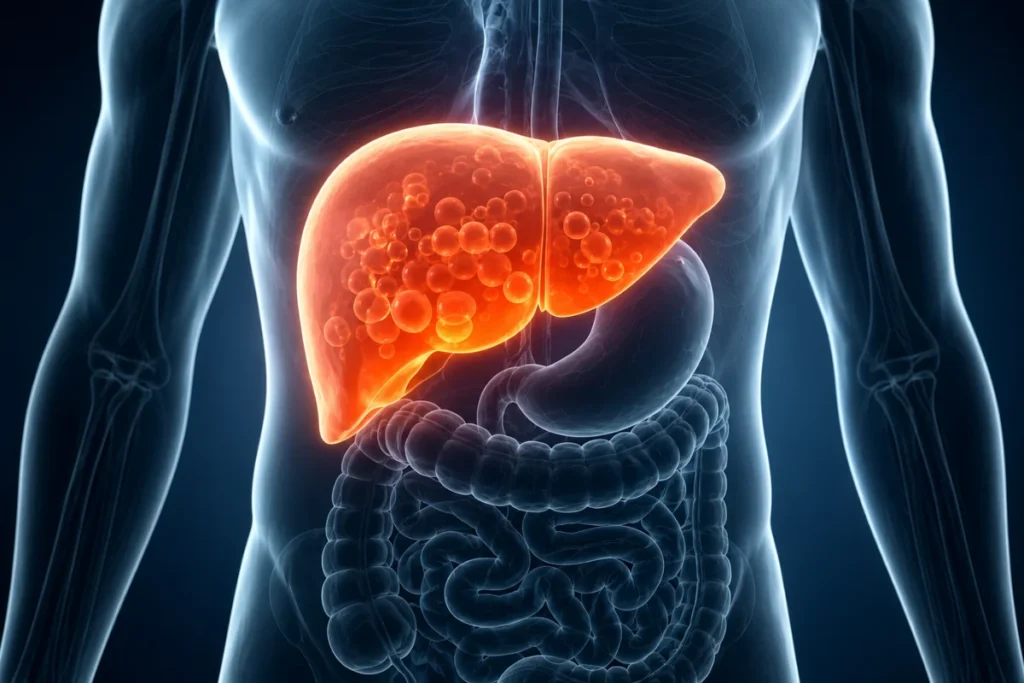
One of the most important obesity related digestive disorders is fatty liver disease.
When excess fat builds up in the liver, it can progress through stages:
- Simple fatty liver
- Inflammation in the liver
- Scarring (fibrosis)
- Advanced scarring (cirrhosis) in more serious cases
Many patients with fatty liver have no symptoms at all. It is often picked up during blood tests or an ultrasound done for another reason.
Risk factors commonly include:
- Obesity
- Insulin resistance
- Type 2 diabetes
- High cholesterol
- Sedentary lifestyle
Because it is usually silent in the early stages, fatty liver is one of the most important digestive conditions to detect before damage progresses.
Gallstones and Gallbladder Problems
Obesity is also linked to a higher risk of gallstones.
The gallbladder stores bile, which helps digest fats. When body weight, cholesterol balance, and bile composition change, gallstones become more likely to form.
Patients may experience:
- Pain in the upper right abdomen
- Pain after fatty meals
- Nausea
- Bloating
- Indigestion-like discomfort
Some gallstones remain silent, but others can trigger inflammation, infection, or bile duct blockage if not addressed.
Interestingly, rapid weight loss can also increase the risk of gallstones, which is why weight management should be approached in a controlled and medically sensible way.
Obesity and the Risk of Bowel Symptoms
Excess weight can also influence bowel function and gut sensitivity.
Patients may experience:
- Constipation from inactivity and poor diet patterns
- Bloating linked to overeating or altered gut motility
- IBS-like symptoms worsened by food quality and stress
- Increased abdominal discomfort after large meals
The relationship is not always straightforward, but obesity can contribute to symptom patterns by affecting diet quality, physical activity, microbiome balance, and inflammatory signalling.
This is part of why obesity and gastrointestinal health risks go beyond the liver and reflux. The bowel can be affected too, even if the symptoms seem mild at first.
Pancreatic and Metabolic Digestive Impact

The pancreas plays a crucial role in digestion and blood sugar regulation. Obesity and insulin resistance can increase strain on the pancreas over time, particularly in the context of metabolic syndrome.
While obesity does not directly “cause” every pancreatic disorder, it is associated with:
- Increased metabolic stress
- Greater risk of insulin resistance
- Higher risk of type 2 diabetes
- More complex digestive-metabolic interplay
In some patients, this can influence appetite , digestion and long-term digestive health outcomes more broadly.
Why Weight-Related Digestive Disease Is Often Missed
One of the biggest problems is that many digestive conditions linked to obesity begin quietly.
For example:
- Fatty liver often causes no early symptoms
- Reflux may be dismissed as “normal acidity”
- Bloating may be blamed on one food rather than a pattern
- Gallstones may remain silent until an acute attack occurs
Because of this, patients sometimes focus only on symptom relief rather than the underlying metabolic pattern driving the issue.
A patient may treat heartburn repeatedly without realising they also have fatty liver. Another may manage bloating with over-the-counter remedies while remaining sedentary and constipated. The digestive system often reflects broader metabolic health, and that bigger picture matters.
What Can Help Reduce Digestive Risk?
The encouraging news is that even modest lifestyle changes can improve many weight-related digestive problems.
Helpful strategies include:
- Gradual, sustainable weight reduction
- Smaller and more regular meals
- Reducing ultra-processed and high-fat foods
- Increasing fibre gradually
- Improving hydration
- Walking after meals
- Managing reflux triggers
- Monitoring liver health if risk factors are present
- Reviewing symptoms rather than self-treating repeatedly
The goal is not extreme dieting. In fact, crash dieting can worsen gallstone risk and create other problems. A medically sensible, sustainable approach is far more effective.
When You Should Seek Medical Assessment
If you have excess weight and ongoing digestive symptoms, it is worth having them properly assessed rather than assuming they are “just diet-related.”
Please seek medical advice if you notice:
- Persistent heartburn or reflux
- Ongoing bloating after meals
- Pain in the upper abdomen
- Abnormal liver tests
- Fatty liver on scan
- Nausea after fatty meals
- Unexplained change in bowel habits
- Rectal bleeding
- Unexplained weight loss
- Fatigue with digestive symptoms
These symptoms do not always indicate something serious, but they should not be ignored.
Conclusion
The digestive system often reflects the effects of long-term weight and lifestyle patterns long before patients realise how closely the two are connected. The link between obesity and digestive diseases can show up as reflux, fatty liver, gallstones, bloating, or altered bowel habits, and these changes are often far more manageable when identified early rather than ignored until symptoms become more disruptive.
Weight-related digestive symptoms often need a more joined-up approach, especially when issues such as reflux, bloating, or abnormal liver tests begin to overlap. Dr Neil provides specialist gastroenterology care to help patients understand what may be driving these changes and how to manage them more effectively.